Can a hotelier trust the algorithm to set prices?
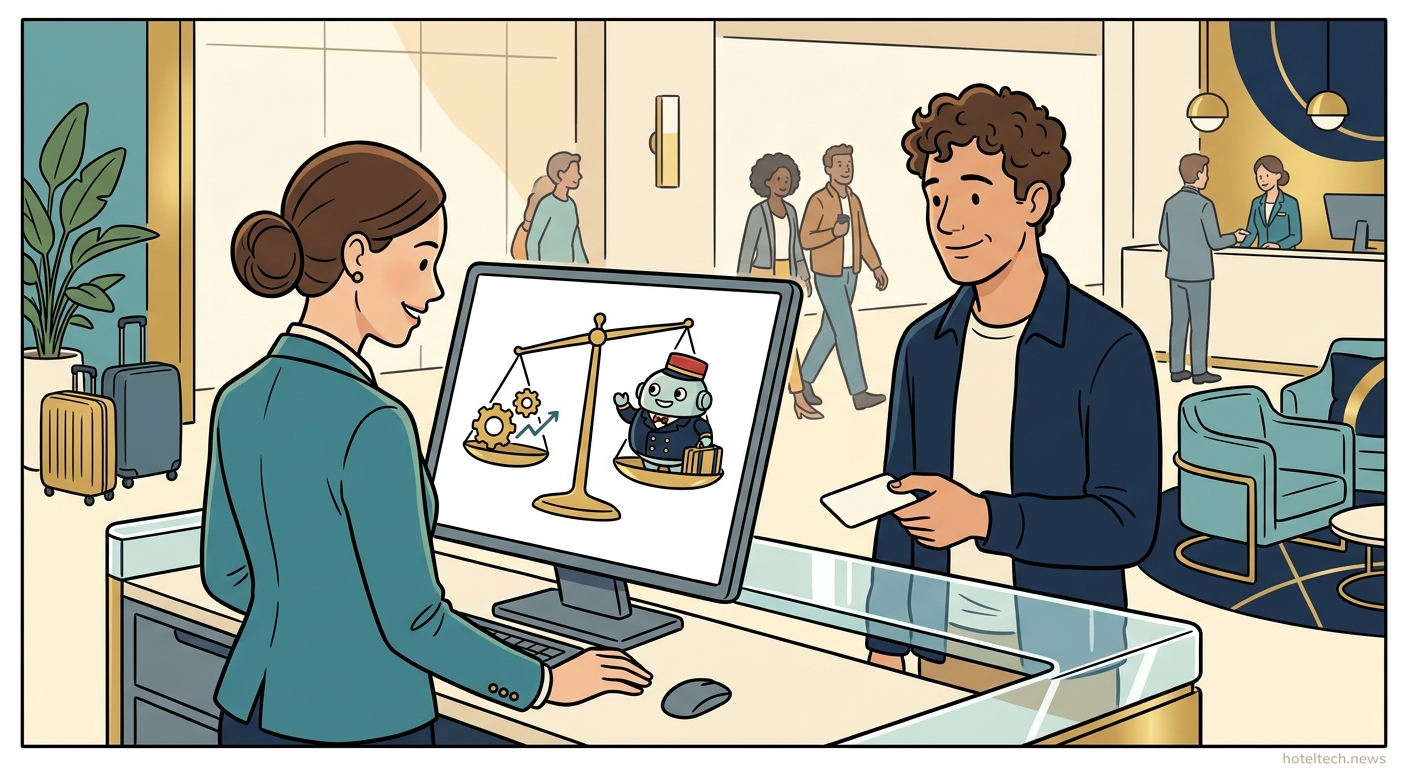
Can a hotelier trust the algorithm to set prices?
Short answer: yes, but not entirely. And that qualification is where the real truth lives.
For years now, AI revenue management vendors have promised to optimize hotel income without lifting a finger. Less work, more money, pure automation. The pitch is tempting. But in practice, hoteliers who've handed pricing over completely to a black box AI discover fast that it's like flying a plane with your eyes closed. It works until it doesn't.
The algorithm knows what happened yesterday, not what's coming tomorrow
First real problem. AI models that handle pricing train on historical data. They see patterns in occupancy, demand, seasonality, events. But the hotel world is unpredictable. A transport strike, a political shift, a pandemic, new competition down the street. The algorithm doesn't see it coming. It applies recipes from the past to a different present.
I know revenue directors who switched their RM to autopilot and weeks later discovered they were selling suites at 40 euros because the tool saw availability and discounted aggressively. Context: that was low season, fine. But those 40-euro rooms broke the brand's floor rate, scared off high-value guests, distorted price perception. The algorithm optimized short-term revenue. It destroyed long-term value.
Trust, but with visible limits
What actually works is this: use AI as a counselor, not a dictator. The best revenue managers I know use models to process data no human could handle in real time. Occupancy by segment, demand elasticity, channel correlation, price recommendations. Then the manager looks at it and decides.
Why. Because there's context that doesn't fit any dataset:
- Your commercial strategy. Maybe you're chasing market share this quarter, not maximum margins this week.
- Your brand reputation and position. You can't sell at 30 euros even if the algorithm says so if it pulls you out of your segment.
- Corporate commitments. Operator contracts, seasonal pledges, ongoing negotiations.
- Channel reality. The algorithm sees Booking lowered commission: great, raise price on Booking. But that could destroy your ranking position.
The algorithm sees numbers. You see business.
Where AI deserves full trust
There are zones where it outperforms any manager:
- Scenario simulation. Show me what happens if I raise 5 euros, close 10 rooms, if the city event grows 20%. The algorithm calculates it in milliseconds.
- Competitor monitoring in real time. Watching what the hotel across the street does 24/7 is machine work, not human.
- Elasticity by segment. Business travels at fixed price, leisure is price-sensitive, groups have low sensitivity. The algorithm classifies and acts.
- Anomaly detection. When something's out of normal range, trigger an alert. Odd occupancy, strange demand behavior.
On those tasks, the machine is unbeatable.
The real question: who do you call if it breaks?
What bothers me about blind trust is this. If your PMS glitches and sells 50 nights at liquidation price, who do you sue? The algorithm vendor? Check their terms of service. Spoiler: they say pricing strategy is your responsibility, not theirs.
That means the risk stays yours. So does the accountability.
That doesn't mean AI in revenue is not real progress. It is. The revenue optimization figures vendors publish aren't fake. Hoteliers do make money. But they make money because they use the algorithm as a precision tool, not as their business autopilot.
How to trust AI without handing over your business
- Start on limited autopilot. Let it optimize within price bands you set. Don't give it the full keys.
- Audit the recommendation before you apply it. At least the first weeks, watch what's happening.
- Connect with real market data. If the algorithm asks for something you know damages your position, block it and log why.
- Update your input data. Every Friday, add new context: events, competition, market shifts. The algorithm is only as good as what you feed it.
- Demand transparency. Push back on the vendor to explain why it recommends that. Not "AI decided." We want the reasoning.
The verdict
Trust the algorithm for what it does better than you: processing volume, speed, data without emotional bias. Don't trust it for what needs judgment: context, strategy, brand, risk.
AI in revenue management is like a first-rate copilot. It's not the pilot. You are. And the copilot makes you stronger, not replaces you.
Whoever gets that wins. Whoever sees it as total automation loses.
Quick questions
When does an AI pricing algorithm beat a human?
What if the algorithm cuts prices and destroys my margin?
If pricing goes wrong, can I claim liability from the vendor?
Companies
The hotel tech and travel tech companies we follow, plus the ones surfacing in today's news.
- In today's news
- Oracle Hospitality (OPERA)OPERA Cloud es el PMS dominante en cadenas y grandes hoteles, el sistema que casi todo el sector ha usado alguna vez. Su peso en el enterprise lo convierte en la integración que ningún vendor puede ignorar.
- CloudbedsPlataforma todo en uno (PMS, channel manager y motor de reservas) muy fuerte en hoteles independientes y hostels de todo el mundo. Su punto fuerte es cubrir todo el stack básico con un solo contrato y una sola interfaz.
- MewsPMS cloud nativo que se ha convertido en el estándar de la hotelería moderna europea, con pagos integrados y un marketplace de cientos de integraciones. Referente para hoteles que quieren automatizar recepción y cobros sin servidores locale
Was this article useful?
The daily brief
The hotel tech brief, in your inbox
PMS, revenue, distribution, AI and travel tech startups. One sharp email a day. Free.
The brief hoteliers who buy technology read every morning.
Editorial content by Hotel Tech News. It may contain errors. Verify anything important with the original source.
This article may mention third-party products, companies or services for informational purposes. Hotel Tech News does not endorse them and is not responsible for them or for what they offer. Editorial content curated by the Hotel Tech News team.